Pocket Guide to Antique Tool Prices: What Sells, What Doesn’t
The short answer: most old tools are worth $15–$50 — common Stanley planes, standard Disston saws, mid-century hardware store tools. Real value appears when rarity, condition, and maker align: a Stanley No. 1 plane brings $2,500–$4,000, a pre-1900 Disston with intact etch $60–$200. Check eBay sold listings, not asking prices, for your specific model.
A woman I know inherited her grandfather’s workshop when he passed. Two full toolboxes, a wall of hand saws, a shelf of planes. She called me excited. She’d looked up a few things online and seen Stanley planes going for hundreds of dollars.
I came over with low expectations and confirmed them. Both toolboxes were full of post-1960s Stanley hardware store tools — the kind produced in the era when Stanley was cutting corners to compete with cheap imports. The saws had plastic handles and modern medallions. The planes were the painted-handle variety that fetch $15–$25 in any condition.
Total honest value: maybe $300 if she was patient and sold individually on Facebook Marketplace. Not the retirement fund she’d imagined.
This happens constantly. Most old tools aren’t worth much. That’s the honest truth. The exceptions, though — the exceptions are genuinely valuable, and knowing which is which is the whole game.
The Truth About Antique Tool Values
The vast majority of old tools that end up in estate sales were workhorses. They were bought, used hard, and worn down. The common tools — a user-grade Stanley No. 4, a standard Disston D-8 hand saw, a mid-century brace and bit — are worth $15–$50 on a good day, assuming all original parts are present.
What makes a tool worth real money is a combination of rarity, condition, and collector demand. Those three factors don’t align often. When they do, prices can be surprising.
A Stanley No. 1 bench plane — the smallest in the line, essentially useless for actual woodworking — in excellent original condition sells for $2,500–$4,000+ because collectors want the complete set and production numbers were low. A Liberty Bell Stanley No. 45 combination plane in the original box with all cutters can hit $600–$900. A Disston hand saw with an intact pre-1900 etch and original rosewood handle: $80–$200 depending on condition.
But these are exceptional cases. Start with honest expectations.
The Five Value Drivers
Every antique tool’s value comes from some combination of these five factors:
1. Rarity
Low production numbers matter more than age alone. A tool made in 1870 that was produced in the millions is worth less than a tool made in 1920 with production numbers in the thousands.
Stanley No. 1 planes: relatively rare. Stanley No. 4 planes: extraordinarily common. The No. 4 was the bread-and-butter seller for decades, made in enormous quantities. Age doesn’t make a common tool rare.
2. Condition
Condition is the biggest value variable within any given model. The difference between a user-grade and an excellent-condition example of the same tool can be 3–5x in price.
What condition means in practice: original japanning (the black lacquer finish) intact, not flaking. Original handles and knobs, uncracked, unstained. Blade in original or near-original condition — not resharpened so many times it’s half its original length. All hardware original, no replacements. No pitting on machined surfaces (surface rust can be removed; pitting cannot).
An excellent-condition Stanley No. 4 might sell for $75–$100. A user-grade No. 4 with replaced tote goes for $20.
3. Maker
The collector market has a clear hierarchy, and it’s worth knowing.
Premium makers: Stanley (especially Sweetheart era 1920–1935 and pre-1900 production), Disston (pre-1900 saws), Millers Falls, Sargent & Co., H.D. Smith, Starrett (precision tools), Keen Kutter (early production, before standardization).
Mid-tier: Winchester tools (hardware store quality, but the brand carries premium), Diamond Edge, Simonds saws, Atkins saws.
Common: Post-WWII Stanley in hardware store condition, most generic hardware store brands, Husky, True Value, and their equivalents.
Being a “famous” brand isn’t enough. The specific era matters enormously for Stanley — a 1930s Sweetheart-era plane vs. a 1975 production-line version of the same model number are radically different in collector value.
4. Completeness
“All original” commands a significant premium. A plane in complete original condition — original blade at full length, original cap iron, original tote and knob, original lever cap — is worth substantially more than the same plane with a replacement tote or resharpened-short blade.
Original boxes are the highest multiplier. A tool in its original box is often worth 50–100% more than the same tool without. Even a damaged original box beats no box.
5. Era
For most American tool makers, production quality peaked in specific eras:
- Pre-1900: Early production, often high quality but harder to date precisely. High collector interest for known makers.
- 1910–1940: Generally considered the golden era for American hand tools. Quality competition was fierce, materials were good, and manufacturing standards were high.
- 1940–1960: Mixed. Wartime production and postwar consumer demand put pressure on quality. Premium makers held their standards; mass market tools declined.
- Post-1960: The era most tools in estate sales come from. Quality declined as imports competed on price. Low collector interest unless the specific model is rare.
Stanley Plane Values by Model
These are approximate current market values based on eBay sold listings. Condition matters enormously — these ranges assume complete, functional tools in user to good condition.
The Common Ones (user condition, complete):
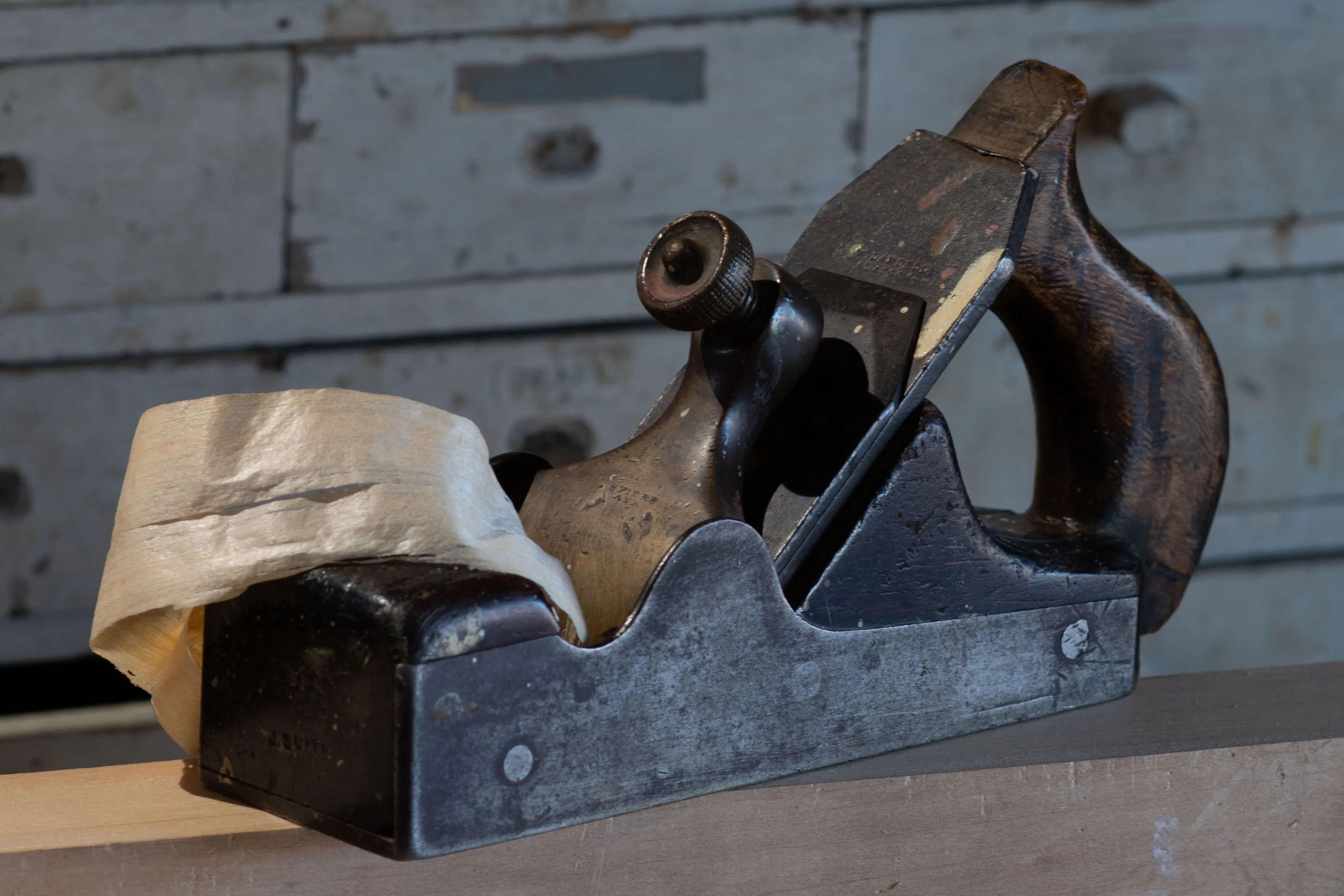
- No. 4: $20–$55. The most common plane in existence. Don’t pay more than $60 for a user-grade example.
- No. 5: $25–$60. The jack plane. Slightly rarer in very good condition.
- No. 6: $30–$70. Less popular with woodworkers, so demand is lower despite being less common.
Mid-Range Collectibles:
- No. 3: $30–$80. Smaller smoothing plane with a dedicated following.
- No. 7: $50–$120. Long jointer plane, preferred by furniture makers. Sweetheart-era No. 7 in excellent condition: $150+.
- No. 8: $80–$180. Heavy, rarely used, but collectors want them for sets.
- No. 4½: $40–$90. Slightly wider version of the 4, less common.
The Rarities:
- No. 1: $800–$2,000+. Clean examples in excellent condition regularly hit $1,500–$2,500 at auction.
- No. 2: $150–$400. Smaller than most woodworkers want but collectors pay for completeness.
- Bedrock 604, 605, 606 (the premium frog line): 2–3x the equivalent Bailey price.
- Liberty Bell No. 45 combination plane in original box with full cutter set: $500–$900.
- No. 55 universal combination plane in complete original box: $600–$1,500.
Disston Saw Values
Disston is to American hand saws what Stanley is to planes — the dominant maker with the deepest collector following.
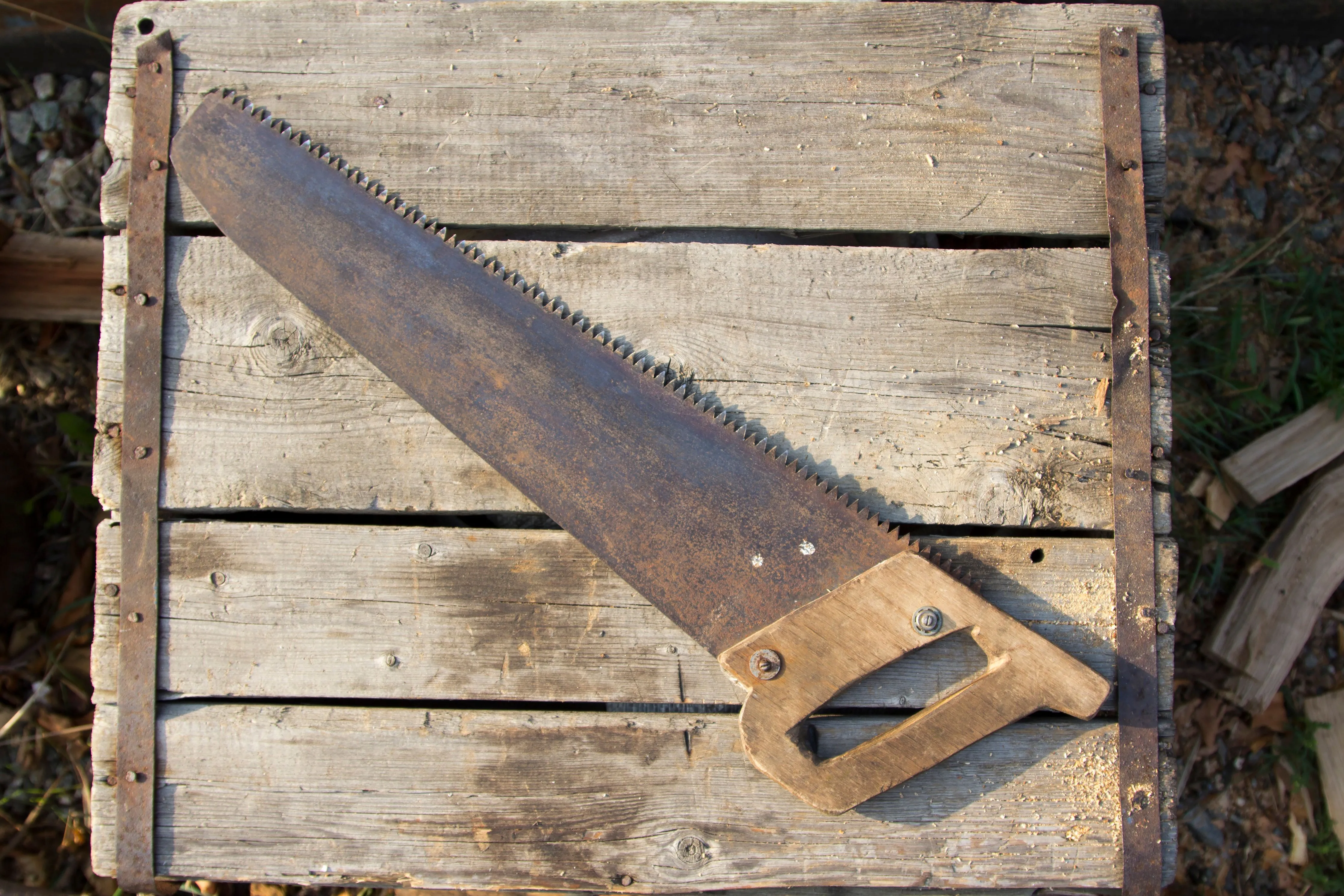
The common ones: A Disston D-8 in standard rip or crosscut configuration with a plastic or replaced handle is worth $20–$40. It works fine for woodworking but collector value is minimal.
The premiums: Pre-1900 Disstons with the elaborate blade etch intact and original applewood or rosewood handle: $60–$200 depending on condition. The elaborate full-color etches on pre-1900 Disstons are genuinely beautiful and increasingly rare in good condition — they wear off with use.
Medallion rarity: Certain Disston medallion designs are rarer than others. The earliest medallions (pre-1875) command premiums. A saw with a rare medallion, intact etch, and original handle in excellent condition can hit $300–$500 at specialized tool auctions.
Panel saws, tenon saws, and dovetail saws from Disston’s pre-1900 production fetch premium prices from woodworkers who actually use them — the thin plates and precise teeth of vintage Disston saws are genuinely better than most modern equivalents.
Vintage Wrenches, Braces, and Specialty Tools
Keen Kutter: The premium hardware store brand from Simmons Hardware (St. Louis). Keen Kutter tools from before 1940 command collector premiums. A complete Keen Kutter set of tools in original box is serious money.
Winchester: Yes, the gun company also made tools — briefly. Winchester tools from the 1920s carry the brand premium. A complete Winchester tool set is extremely collectible.
Diamond Edge: The premium Shapleigh Hardware brand. Less collected than Keen Kutter but good quality and worth identifying.
Braces (hand drills): Millers Falls and North Bros. (Yankee) spiral ratchet braces are increasingly collected. A complete North Bros. Yankee push drill set in original roll is $80–$200. The ratchet braces with unusual chuck designs are sought by collectors.
Plumb and True Temper hatchets and axes: Pre-WWII examples in good original condition with original handles: $40–$120. Presentation axes with ornate heads are considerably more.
Where to Sell Antique Tools
eBay: The broadest market, best for tools worth $50+. Below that, fees eat too much of the margin. List with lots of photos, describe everything honestly including flaws, and research sold listings before setting your price.
Jim Bode Tools: The most respected dealer in American antique hand tools. They buy tools and sell them at the premium retail market price. If your tool is exceptional, selling to Jim Bode is faster than eBay (though you’ll net less). Their catalog is also the best reference for understanding what the premium market pays.
MJD Auctions: The top specialty auction house for high-value antique tools. Worth using only for tools that will clearly command $200+.
EAIA and MWTCA meets: The Early American Industries Association and Mid-West Tool Collectors Association hold periodic meets where dealers and collectors buy and sell. Prices are fair and the community is knowledgeable. Good for selling and for getting honest appraisals.
Facebook Marketplace and local groups: Best for common tools ($15–$75) where eBay fees aren’t worth it. The “Vintage Hand Tool ID” Facebook group has an active buy/sell section.
Free Appraisals
EAIA forums: Post photos and someone will tell you what you have and approximately what it’s worth. Free, knowledgeable, honest.
r/handtools and r/Vintagetools: Post clear photos, explain what you know, and the community will identify and roughly value it. Response times are fast.
Local tool meets: Bring the tool to an EAIA or MWTCA meet and ask dealers directly. You’ll get a professional opinion in person.
Modern Replacements If You’d Rather Use Than Sell
Identified something worth $30 but you’d actually like to woodwork with it? Sometimes the better decision is keeping a functional vintage tool as a user rather than selling it for its collector value.
But if the vintage tool needs restoration time you don’t want to invest, good modern alternatives exist. For planes, the Wood River line from Woodcraft is the best value in new hand planes. For saws, modern Japanese pull saws (particularly Suizan and Suzan) cut faster than any Western hand saw. For vintage chisel replacement, Narex chisels from the Czech Republic offer excellent steel at budget prices.
If you’re not sure what a tool is before deciding whether to restore or replace it, our AI identifier is the fastest first step.
Frequently Asked Questions
Q: How do I know if old tools are worth cleaning up before selling? A: Generally yes — clean surface rust with a wire brush and light oil, but don’t aggressively clean japanning (the black finish) off the casting. A cleaned but not polished tool sells better than a rusty one. Never use aggressive abrasives or power tools on collector-grade pieces — you’ll destroy the value.
Q: Are old tools worth more if they’re in the original box? A: Significantly more — often 50–100% more. Even a damaged original box adds value. Never throw away original boxes.
Q: My grandfather’s tools have family history — does that add value? A: To you, absolutely. To a buyer, not usually. Provenance adds value only when it’s documented and attached to a historically significant owner or event. “My grandfather used this” doesn’t change the market price.
Q: Are reproductions a problem in the antique tool market? A: Less than in furniture or decorative antiques — tools are hard to fake convincingly because the wear patterns, casting characteristics, and manufacturing methods are distinctive to the period. The main risk is misidentification: a buyer thinking a common tool is a rare variant because of a similar model number.
Q: What’s the best way to find out what something’s worth without selling it? A: Check eBay sold listings for identical or very similar tools. Filter to “Sold” and look at actual transaction prices, not asking prices. This is more accurate than any price guide book because it reflects current market reality.